
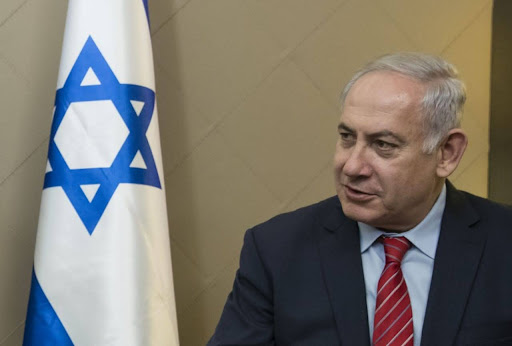
Israeli Prime Minister Benjamin Netanyahu moved beyond purely military declarations on Friday, hinting at a sweeping post-war regional vision while confirming that Iran had been stripped of its uranium enrichment and ballistic missile capabilities after twenty days of fighting. He rejected claims that Israel had manipulated Washington into the conflict. Netanyahu’s press conference blended battlefield reporting with long-range geopolitical thinking in ways that signaled confidence about the conflict’s approaching conclusion.
The prime minister described the Trump-Israel partnership as historically unparalleled and emphasized Trump’s role as the alliance’s leader. He pushed back forcefully on the idea that Israel had led the United States into the war, arguing that Trump’s understanding of the Iranian nuclear threat was self-formed and sophisticated. Netanyahu revealed that Trump had actually explained certain aspects of the danger to him rather than the other way around.
Netanyahu confirmed Israel’s solo operation against South Pars and acknowledged Trump’s request to hold off on further attacks on Iranian gas infrastructure. He presented this communication as a transparent and respectful feature of a close alliance. Netanyahu was clear throughout that Israel’s right to independent military decision-making had not been surrendered.
On the Hormuz question, Netanyahu dismissed Iran’s closure threats as blackmail aimed at the world community. He proposed overland pipeline routes from the Arabian Peninsula to Israeli and Mediterranean ports as a permanent infrastructure solution. Netanyahu framed this as both a wartime necessity and a transformative long-term investment in regional stability.
Netanyahu concluded with analysis of Iran’s internal disarray. The new supreme leader had not been seen publicly, and Netanyahu admitted he was unsure who was running the country. He saw the visible competition among Tehran’s power factions as evidence of a regime under terminal pressure, a development he believed was hastening the conflict’s end.