
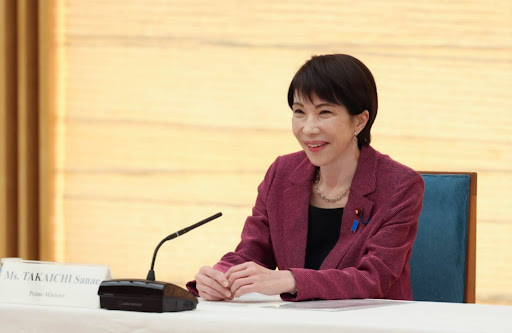
Japan’s Prime Minister Sanae Takaichi has announced the country will begin its biggest-ever release of strategic oil reserves this week, responding to escalating energy uncertainty caused by the US-Israel conflict with Iran. The release of around 80 million barrels — equal to 45 days of domestic demand — will be provided to refiners to ensure continuity of supply. The government had already approved the release of 15 days of private-sector stocks the previous week. Together, these measures represent Tokyo’s most aggressive energy emergency response on record.
Japan’s extreme dependence on Middle Eastern oil makes it one of the most exposed major economies to the current crisis. Over 90% of the country’s crude oil imports travel through the Strait of Hormuz, which has become a flashpoint in the regional conflict. Takaichi has rebuffed US President Trump’s calls to dispatch Japan’s maritime self-defence forces to the waterway, citing constitutional restrictions. Her government has instead emphasised diplomatic engagement and economic preparedness.
The 80 million barrel release is 1.8 times the amount Japan unlocked after the 2011 Fukushima nuclear disaster. That unprecedented disaster caused all of Japan’s nuclear plants to go offline temporarily, placing enormous pressure on oil imports. Japan currently holds total reserves of about 470 million barrels, sufficient to cover 254 days of use. Officials described the current drawdown as a precautionary measure rather than a signal of immediate supply failure.
To protect consumers from surging pump prices, the government introduced fuel subsidies capping gasoline at ¥170 per litre. The measure was triggered after retail prices hit a record ¥190.8 per litre. The subsidy will be reviewed weekly based on market conditions. Analysts say the policy reflects Tokyo’s determination to contain inflation and protect household budgets during the crisis.
Social media anxiety has spilled over into stores, with consumers rushing to buy toilet paper and other household goods. The trade ministry has urged the public not to hoard, assuring citizens that Japan’s toilet paper supply is almost entirely domestically produced and unaffected by oil disruptions. The industry association representing paper producers confirmed stable supply and the ability to ramp up output if needed. Both the government and industry are working to calm public nerves before panic becomes self-fulfilling.