
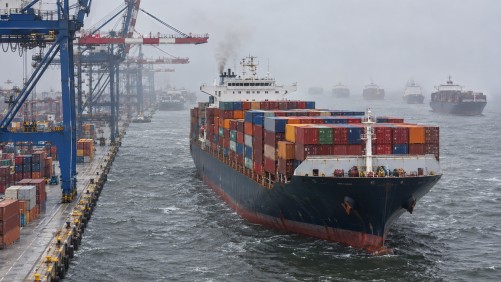
Global maritime trade is projected to experience zero growth in 2026 amid ongoing geopolitical tensions, shipping disruptions, and rising transportation costs, according to a report by the United Nations. This stagnation follows a 1.9% growth in 2025, when maritime trade reached approximately 12.3 billion tonnes.
Shipping routes critical to international trade have been heavily affected. The Strait of Hormuz, a key corridor for about a fifth of the world’s oil supply, saw maritime traffic plummet by around 95% by early March due to regional instability. Similarly, disruptions in the Red Sea have compelled shipping companies to reroute vessels around the Cape of Good Hope, a detour that increases travel distances, fuel consumption, and operational expenses.
Further complicating the global trade landscape, grain shipments through the Black Sea and traffic through the Panama Canal have faced significant challenges. These ongoing disruptions have led to increased freight costs and uncertainty within shipping markets, exerting additional pressure on supply chains, particularly in developing countries.
The United Nations cautions that if these disruptions persist into 2027, higher fuel and transportation costs could lead to rising consumer prices in less-developed economies. To mitigate these impacts, the organization has called for enhanced international cooperation, improved port infrastructure, better shipping preparedness, and investments in modern maritime fleets.
Governments and shipping companies are also encouraged to strengthen supply chains and protect maritime workers to ensure resilience in the face of these challenges. The report underscores the need for a coordinated global effort to address the factors hindering maritime trade growth.