
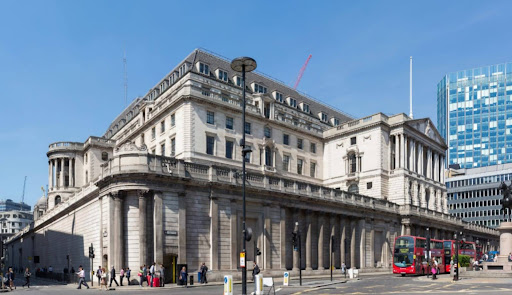
Rising petrol prices are signalling a bigger inflation storm ahead for the UK, and the Bank of England responded on Thursday by holding rates at 3.75% while warning that the energy shock triggered by the Iran war could force rate hikes before the end of the year. The monetary policy committee voted unanimously to hold, but Governor Andrew Bailey’s pointed reference to rising fuel costs at UK forecourts underscored the Bank’s concern that the war’s economic impact was already being felt. Officials warned that the shock could spread to household energy bills and push inflation well above 3%.
The inflation risk originates in the disruption to global energy markets caused by the US-Israel military campaign against Iran. Before the conflict, the UK had been on a steady path toward its 2% inflation target, with conditions appearing to favour a rate reduction. The war has disrupted that trajectory by sending global oil and gas prices sharply higher and forcing a comprehensive revision of the Bank’s near-term forecasts.
Governor Bailey said the petrol price rise was an early and visible indicator of what could be a more significant shock to come. He warned that household energy bills could follow if supply chain disruption persists through the year. The Bank would monitor developments closely and was prepared to raise rates if the situation demanded it, he said, while cautioning against premature assumptions about policy moves.
The market response reflected a clear shift in expectations. UK government bond yields rose after the announcement, the FTSE 100 declined, and the pound strengthened against the dollar. City traders moved to price in a June rate hike with high probability, along with a second potential increase before year end. Mortgage rate rises followed swiftly in anticipation of tighter monetary conditions.
For UK households, the combination of higher petrol prices and the prospect of rising energy bills and mortgage costs represents a compounding financial challenge. The government is under pressure to provide targeted support ahead of what could be a difficult second half of the year. The Bank’s next meeting will be watched closely for any sign that the predicted June hike is moving from possibility to near-certainty.