
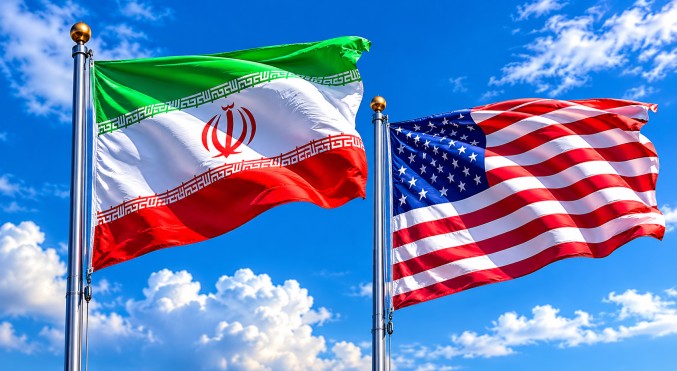
In a development that hints at easing tensions, Iran and the United States have reported some progress in their ongoing negotiations, even as the specter of potential American military strikes looms large. Iranian officials noted that recent discussions have helped bridge differences, concentrating on establishing a broader ceasefire to alleviate regional tensions. Esmail Baghaei, spokesperson for Iran’s Foreign Ministry, emphasized that the primary focus of these negotiations is to halt hostilities initially, with nuclear issues to be tackled subsequently.
U.S. Secretary of State Marco Rubio echoed this sentiment of cautious optimism, confirming that diplomatic efforts are advancing and suggesting that new developments may soon unfold. The U.S. stance remains firm on ensuring that Iran does not acquire nuclear weapons, with specific demands for guarantees on uranium stockpiles and the reopening of the Strait of Hormuz being central to the talks.
Nevertheless, the situation remains fraught, as Iran’s parliament speaker Mohammad Bagher Ghalibaf issued a stark warning that any renewed military action by the United States would provoke a formidable response from Iran. Ghalibaf also claimed that Iran has successfully restored parts of its military capabilities following the recent conflicts and a tentative ceasefire.
Amid these diplomatic maneuvers, Pakistan continues to play a mediating role between Tehran and Washington. Pakistan’s army chief has engaged in talks with Iran’s top officials in Tehran, which have been described as constructive, with the aim of organizing another round of direct negotiations between the primary parties involved.
The ongoing diplomatic efforts are critical as concerns mount over the stability of the region, the security of global energy supplies, and the potential for further escalation in the Middle East. As these discussions progress, the international community watches closely, hoping for a peaceful resolution to the tensions that have long plagued the region.