
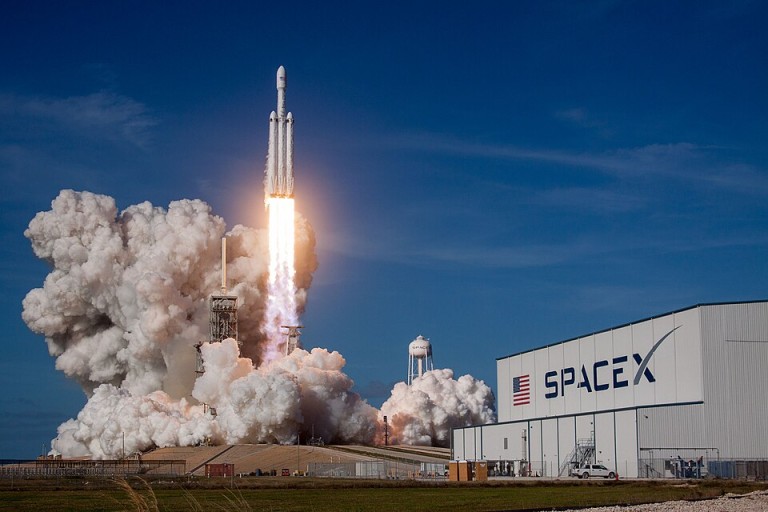
SpaceX is poised to make a monumental entrance into the stock market with its initial public offering (IPO), setting the share price at $135 and valuing the company at about $1.77 trillion. This groundbreaking IPO seeks to raise as much as $75 billion, potentially becoming the largest ever recorded. Should this occur, SpaceX would join the ranks of the most valuable publicly traded entities globally, further enhancing the wealth of its founder, Elon Musk. Musk will maintain more than 80% of the company’s voting power post-IPO, thanks to his Class B shares, ensuring he retains significant control over SpaceX’s direction.
Despite its lofty valuation, SpaceX is not yet profitable. The company reported an operating loss of $2.6 billion against a revenue of $18.7 billion last year, with projections of ongoing losses through 2026. Nevertheless, investors are placing their bets on SpaceX’s long-term potential in areas such as space exploration, satellite communications, and artificial intelligence. These sectors are seen as key to the company’s future growth and success.
The proceeds from the IPO are intended to fund an expansion of SpaceX’s rocket and AI infrastructure, bolster the Starlink satellite network, and support upcoming missions to the Moon and Mars. Reflecting its ambitious goals, SpaceX remains committed to its vision of establishing a permanent human settlement on Mars. The incorporation of artificial intelligence into its operations is also a significant component of SpaceX’s growth strategy, with the company identifying AI technologies and infrastructure as likely contributors to future revenue streams.
SpaceX plans to trade on the Nasdaq under the ticker symbol “SPCX,” with trading potentially commencing as soon as next week. This IPO is anticipated to be a significant litmus test for public markets and could set a precedent for other technology and AI companies contemplating public offerings.