
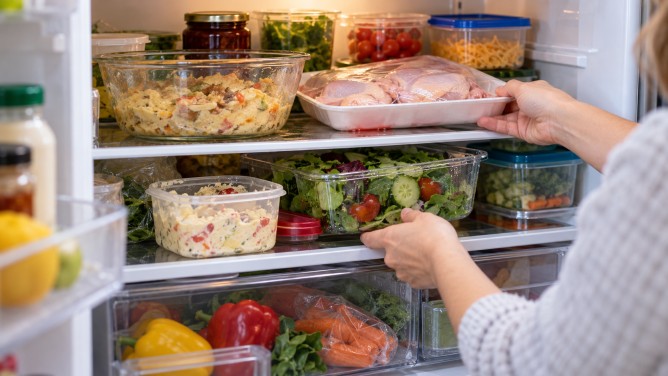
Improper food storage can turn a nutritious home-cooked meal into a potential health hazard. Failing to refrigerate food promptly, overcrowding the fridge, and repeatedly reheating leftovers are common mistakes that can foster bacterial growth and increase the risk of food poisoning.
One critical misstep is leaving cooked food at room temperature for extended periods. To prevent harmful bacteria from multiplying, perishable items should be refrigerated within two hours of cooking, or within one hour if the temperature exceeds 32°C. It’s unnecessary to wait for food to cool completely before refrigerating; instead, divide it into smaller portions in shallow containers to speed up cooling.
Overfilling the refrigerator is another frequent error. A crowded fridge can obstruct proper air circulation, making it difficult to maintain a safe temperature. To ensure food safety, keep the fridge at 4°C or below, allow space for air to circulate, and avoid blocking cooling vents.
Cross-contamination is a risk when raw and cooked foods are stored together. Raw meat, poultry, and seafood should be kept in sealed containers on the lowest shelf to prevent juices from contaminating other items. Always wash hands, utensils, and surfaces thoroughly after handling raw ingredients.
Reheating leftovers multiple times can also pose food safety risks, particularly if they spend too much time at room temperature. Instead, divide leftovers into individual portions and reheat only what you plan to eat, ensuring they reach at least 74°C throughout.
Washing produce too early without proper storage can encourage spoilage. Fruits and vegetables should be washed just before use or, if washed in advance, dried thoroughly and stored in clean containers. Additionally, relying on smell and appearance alone can be misleading, as food that seems fine may still harbor harmful microorganisms. It’s crucial to pay attention to storage time and temperature rather than relying solely on sensory cues.
For foods like milk, cooked rice, and seafood, careful temperature control is vital to prevent bacterial multiplication, even if there’s no change in taste or smell. Meanwhile, dry foods such as bread and nuts should be kept dry to avoid mould growth. Safe food storage hinges on controlling time, temperature, moisture, and cross-contamination, which can protect against foodborne illnesses while minimizing food waste.