
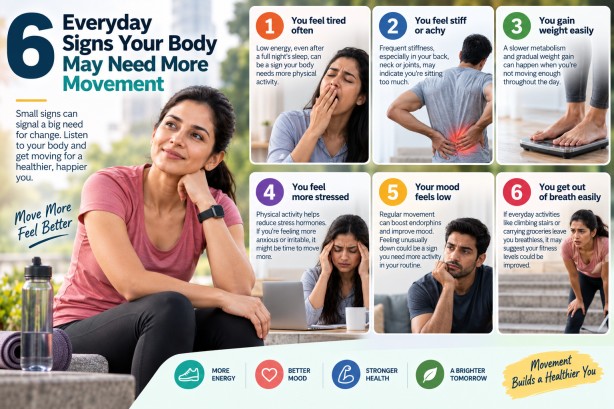
Modern lifestyles often involve extended periods of sitting—whether at a desk, in a car, or simply being inactive—and this can take a toll on our bodies before any pain is felt. Such inactivity can subtly impact flexibility, strength, balance, and energy over time. Recognizing these changes early can be crucial in prompting an increase in physical activity, potentially averting more significant impacts on daily routines.
One of the first signs that your body may require more movement is stiffness after long periods of sitting. If your back, hips, shoulders, or legs feel rigid when you stand, it might be a cue to incorporate more frequent movement into your day. Short breaks for movement can alleviate stiffness and promote joint comfort. Similarly, feeling fatigued after simple tasks like climbing stairs or walking short distances might suggest a need to boost your fitness level. Incorporating regular exercise can enhance stamina, making everyday activities less tiring.
Beyond physical fatigue, long stretches without activity can lead to a sense of sluggishness, both mentally and physically. This often results from sitting for hours, which can make it challenging to stay energized and alert. Interrupting these sedentary periods with a brief walk or stretching can reinvigorate your day. Moreover, if your balance feels unsteady, such as difficulty standing on one leg or navigating stairs, it might be a sign to focus on balance and coordination exercises. These activities, along with strength training, can bolster stability and overall fitness.
Posture can also suffer from prolonged sitting, often leading to a habitual slump. If maintaining a comfortable posture becomes challenging, it may be due to weak or infrequently used muscles. Regular breaks, along with exercises targeting the back, legs, and core, can improve posture and movement efficiency. Additionally, if everyday movements like bending, squatting, or rising from a chair start to become more difficult, it might not just be an inevitable part of aging. Lack of movement can decrease strength and flexibility, so gradually incorporating activity can help sustain mobility and independence.
Incorporating more movement into your day doesn’t necessarily require long gym sessions. Simple actions like taking walking breaks, stretching after sitting, opting for stairs, and including basic strength and balance exercises can make a substantial difference. Consistency is key; small, regular movements are more sustainable than sporadic intense workouts. If stiffness, weakness, numbness, dizziness, or pain persist despite increased activity, consulting a healthcare professional is recommended. Ultimately, by paying attention to these subtle signs and integrating more movement, you can enhance strength, mobility, energy, and overall well-being at any age.