
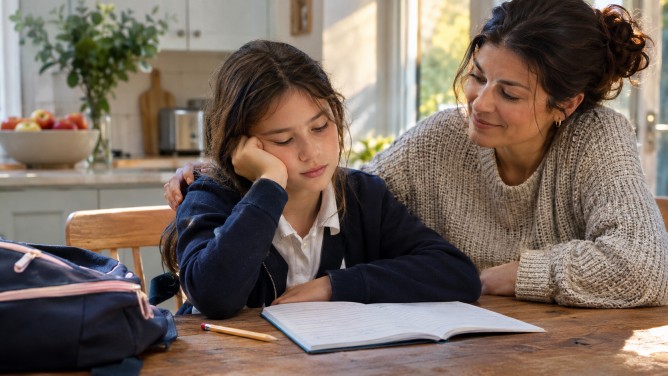
Frequent exhaustion in children might signal more than just busy days packed with school and activities. While it’s normal for kids to feel tired after a long day, consistent fatigue accompanied by reduced energy and disinterest in favorite activities could point to underlying health issues.
Inadequate sleep is a common culprit. Irregular sleep schedules and screen exposure before bed can disrupt children’s rest, leading to daytime sleepiness and difficulty concentrating. Poor eating habits also play a significant role; skipping meals or consuming a diet lacking essential nutrients like iron and protein can impact energy levels and development.
Busy schedules filled with school, sports, and extracurricular activities might leave children with insufficient time to relax. Balancing academics and play is crucial for maintaining energy and well-being. Emotional stress from factors like academic pressure, bullying, or family changes can manifest as fatigue. Encouraging open communication can help address these issues.
Medical conditions and nutritional deficiencies, such as anemia or thyroid disorders, may also be behind persistent tiredness. If a child experiences prolonged fatigue, especially if it affects daily activities or is accompanied by symptoms like dizziness or breathing difficulties, seeking medical advice is important.
Parents can help by establishing consistent sleep routines, providing balanced meals, encouraging physical activity, and limiting screen time. Creating a supportive environment where children feel comfortable discussing their feelings is equally vital.
If despite these efforts, a child continues to experience fatigue, consulting a pediatrician is recommended. A medical evaluation can help identify any underlying health concerns, ensuring the child’s health and well-being are protected.